Alaska by Sea: Picking the Right Month, Route and Side of the Ship
The Alaska season lasts barely five months, and each one offers a different trip. A short guide to matching the calendar to what you want to see.

Alaska rewards planning more than almost any other cruise destination. The season is short, the weather has moods, and two ships leaving the same port on the same day can deliver very different trips depending on where they turn.
The good news is that there are only three decisions that really shape the experience: when you go, which route you take and, on some sailings, which side of the ship you sleep on.
The season in brief
Ships sail to Alaska from roughly late April to late September. Outside that window the days are short, many shore operators close and most ships move elsewhere.
Within the season, each month has a distinct personality. None is wrong. They simply trade one advantage for another.
| Month | Weather and light | Wildlife | Crowds and price |
|---|---|---|---|
| May | Cool, often the driest month, snow still on peaks | Early whales, newborn animals | Quieter, lower fares |
| June | Mild, longest days of the year | Whales, bears emerging | Building |
| July | Warmest month | Salmon runs begin, bears fishing | Peak crowds and prices |
| August | Warm, rain increasing | Peak salmon and bear viewing | Busy |
| September | Cooler, wetter, autumn colour | Good whales early in the month | Quieter, lower fares |
Early season: May and early June
May is often the driest month along the Inside Passage, and the mountains are still white to the waterline. Fares are lower and ports feel calmer.
The trade-off is temperature. Expect cool days, and some higher-altitude excursions may still be affected by snow. Bring layers and you will be rewarded with remarkably clear views.
High summer: late June to mid-August
This is when Alaska is warmest and busiest. Daylight stretches late into the evening, which means long hours of scenery from the deck.
Salmon return to the rivers in mid-summer, and bears follow them. If watching bears fish is high on your list, late July and August give you the best odds.
Late season: September
September brings lower prices, thinner crowds and the first autumn colour on the hillsides. Nights are properly dark again, which opens a small chance of seeing the northern lights.
It also brings more rain and a greater chance of rough water in the Gulf of Alaska. Pack waterproofs and a flexible attitude.
Round trip or one way
Round-trip sailings leave from and return to the same port, most often Seattle or Vancouver. They stay within the Inside Passage, a sheltered route between islands and the mainland. They are simple to book and easy to fly to.
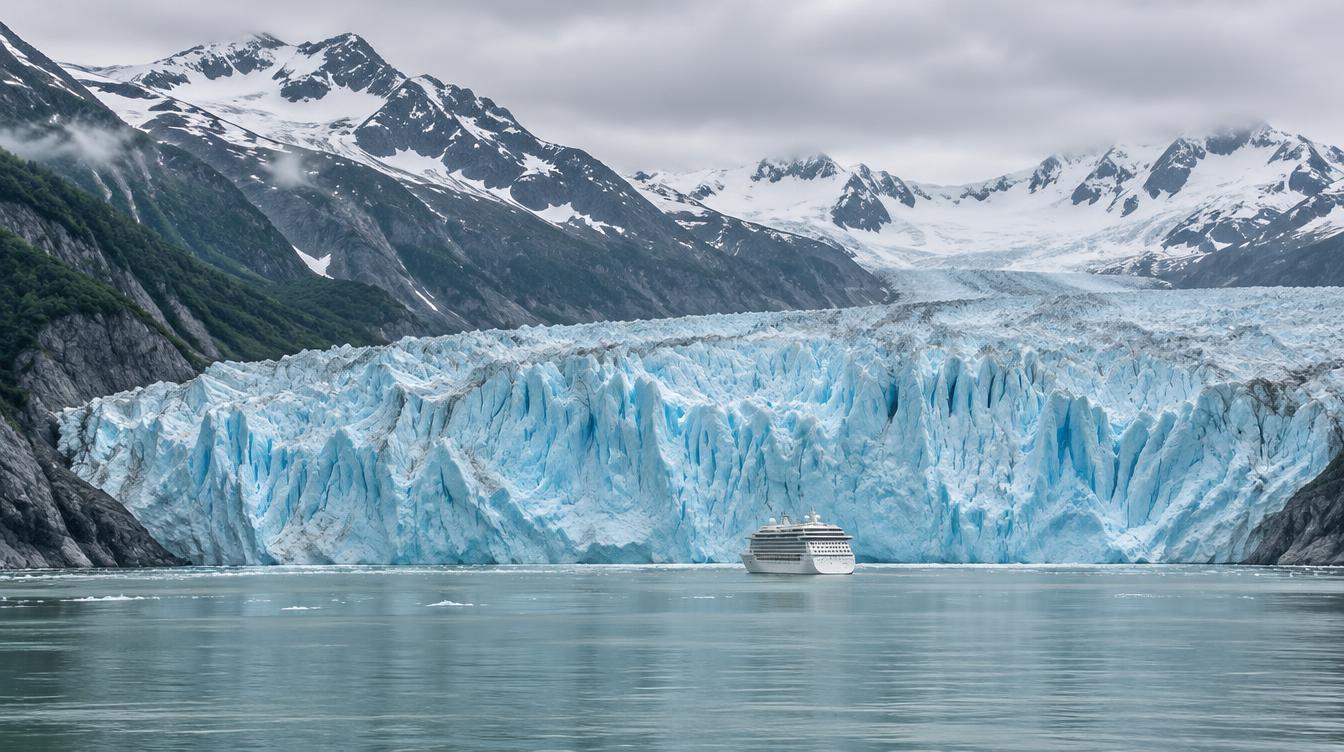
One-way sailings cross the Gulf of Alaska between Vancouver and ports near Anchorage. They reach further north, typically adding a major glacier such as Hubbard or the glaciers of College Fjord.
- Round trip: easier flights, calmer waters, slightly less ground covered.
- One way: more glacier time, and the option to add a land tour to Denali.
- Small ship: fewer passengers, narrower channels, higher fares.
Choose the route for the glaciers. The ports are charming, but the ice is why you came.
The glacier question
Not every ship visits the same ice. Glacier Bay National Park limits how many vessels may enter each day, so only some itineraries include it. Others visit Hubbard Glacier, Tracy Arm or Endicott Arm instead.
Check the itinerary line by line. A sailing that lists a full day of scenic glacier cruising is very different from one that offers a distant view in passing.
Which side of the ship
On a round trip it barely matters, because you see both shores, one in each direction. On a one-way sailing it can.
Heading north, the starboard side faces the mainland for much of the route. Heading south, it is the port side. In practice the ship turns slowly in front of the major glaciers so that everyone gets a view.
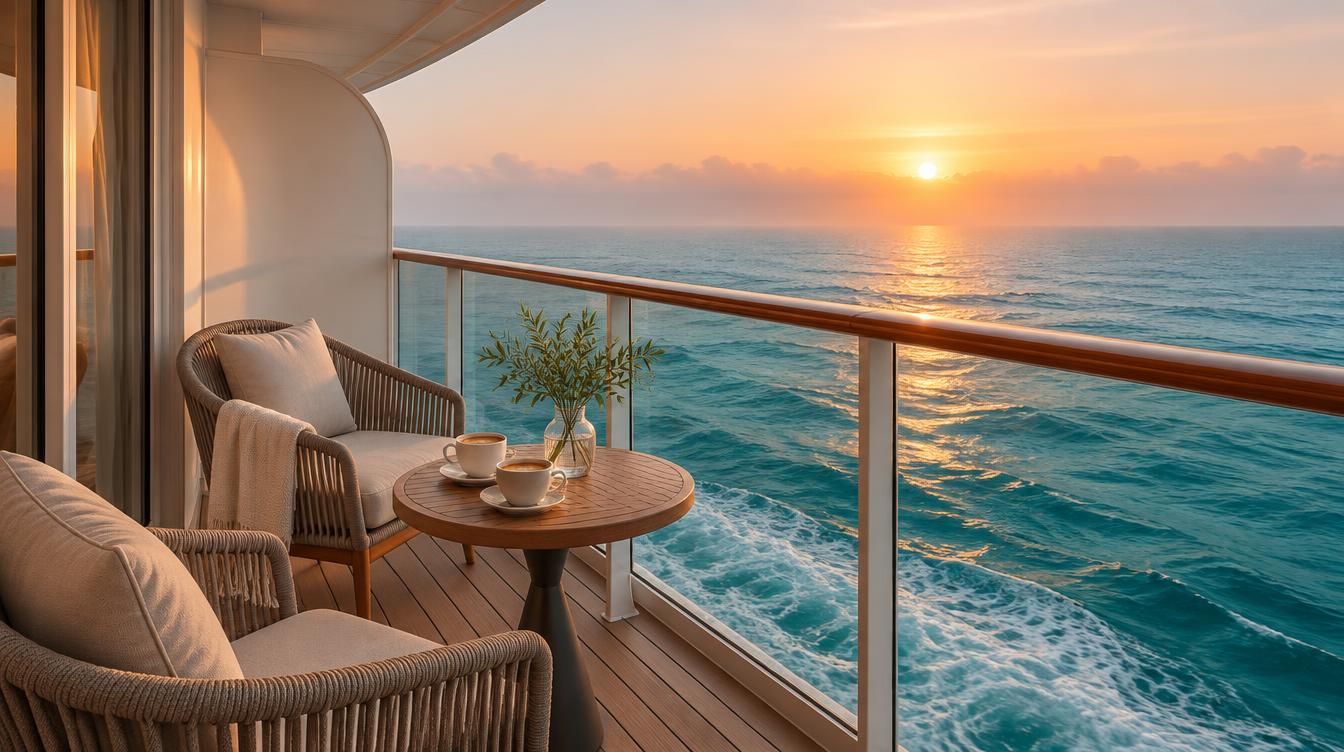
If you book a balcony for Alaska, this is the trip where it earns its keep. If you book an inside cabin, plan to spend your mornings on the open decks, which are free and face every direction.
What to pack
Alaska's weather changes by the hour. The reliable approach is three layers: something warm, something waterproof and something you can take off when the sun appears.
Binoculars make more difference than a better camera. Most wildlife is seen at a distance, and a decent pair turns a dark shape on the shore into a bear.
Putting it together
For the best weather odds and lower prices, look at late May and early June. For bears and the warmest days, late July and August. For value and quiet ports, September.
For the most ice, favour a one-way route or a round trip that explicitly includes Glacier Bay. Then choose the cabin, and start counting the days.