Eastern, Western or Southern Caribbean? Choosing the Route That Fits You
Three routes share one sea and deliver three different holidays. A plain comparison of ports, pace and season to help you pick.

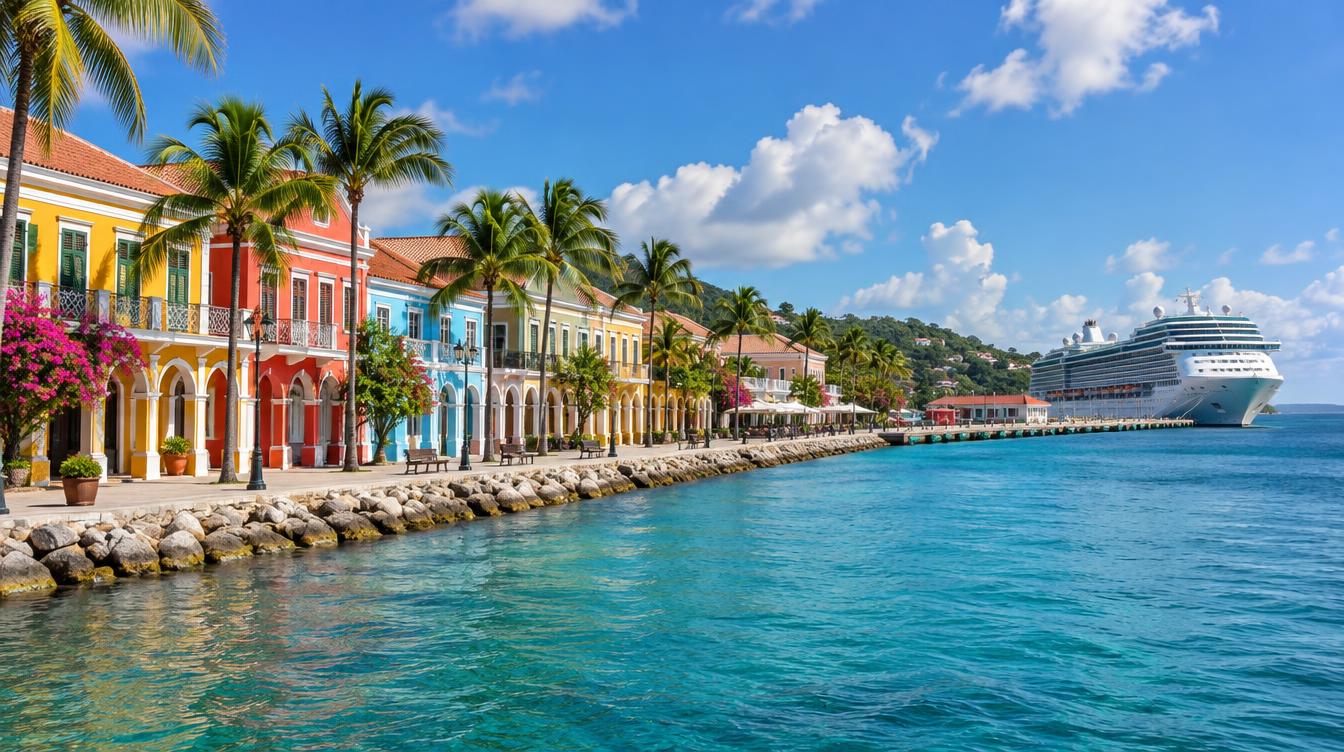
- Eastern routes favour beaches and easy days. Western routes favour snorkelling, ruins and activity. Southern routes visit more islands with fewer sea days.
- The driest, most popular months are roughly December to April. Hurricane season runs from June to November.
- Your departure port often decides the route. Check where a sailing leaves from before you compare prices.
The Caribbean is the most popular cruise region in the world, and at first glance its itineraries blur together: a week of sun, a handful of islands, a ship with a pool. Look closer and the sea divides into three distinct routes.
Each has its own character. Choosing the right one matters more than choosing the ship, because it decides what you will actually do with your days ashore.
The three routes at a glance
Cruise lines group the islands by geography. The Eastern Caribbean covers the islands to the east and south-east of Florida. The Western covers Mexico's Yucatan coast, Central America and the islands between. The Southern reaches down towards South America.
| Route | Typical ports | Known for | Usual departure ports |
|---|---|---|---|
| Eastern | The Bahamas, St. Thomas, St. Maarten, San Juan | Beaches, shopping, easy days | Miami, Fort Lauderdale, Port Canaveral |
| Western | Cozumel, Grand Cayman, Jamaica, Roatan, Belize | Snorkelling, ruins, adventure | Florida ports, Galveston, New Orleans |
| Southern | Aruba, Curacao, Barbados, St. Lucia, Grenada | More islands, varied landscapes | San Juan, or longer sailings from Florida |
Eastern: the classic
Eastern itineraries are the picture most people have of a Caribbean cruise. The ports are built around beaches, harbours and duty-free shopping, and the pace is gentle.
Distances between islands are short, but the first leg from Florida is long, so a seven-night sailing typically includes two or three days at sea. Many also stop at a cruise line's private island in the Bahamas.
It suits first-timers, families and anyone whose idea of a perfect port day is a beach chair and a swim.
Western: the active one
Western itineraries trade some of the postcard beaches for things to do. The reefs off Cozumel, Roatan and Grand Cayman are among the best snorkelling and diving spots in the region.
From ports on the Mexican coast and in Belize, excursions reach Mayan sites inland. Jamaica offers waterfalls and river trips. Days ashore tend to be fuller and more organised.
Western routes are also the natural choice for travellers driving to ports on the Gulf coast, such as Galveston or New Orleans.
Eastern is for lying down. Western is for getting wet. Southern is for seeing more.
Southern: the connoisseur's choice
The Southern Caribbean lies further from the mainland United States, which shapes the itineraries. Many sailings begin in San Juan, Puerto Rico, putting the ship among the islands from the first night.
That means a port almost every day and very few days at sea. The islands themselves are more varied: the dry, desert landscapes of Aruba and Curacao, the volcanic peaks of St. Lucia, the spice plantations of Grenada.
Ports are generally less crowded than the busiest Eastern and Western stops. The trade-off is a longer journey to the ship, or a longer cruise.
The weather and the calendar
The Caribbean is warm all year. What changes is rainfall, humidity and the chance of storms.
The dry season runs roughly from December to April. This is when the weather is most reliable, the ships are fullest and fares are highest, especially around holidays.
Hurricane season officially runs from June 1 to November 30, with the peak from August to October. Ships do not sail into storms. They reroute, which occasionally means swapping one port for another at short notice.
The islands of Aruba, Bonaire and Curacao sit at the southern edge of the region, outside the usual track of most storms, which is one reason Southern itineraries appeal in late summer.
Sea days or port days?
How you like to spend time on the ship should influence the route. Sea days are when the pools, spa and restaurants are in full swing. Some travellers treasure them. Others find them long.
- If you love the ship itself, choose a route with two or three sea days.
- If you travel for the destinations, choose a Southern route with a port nearly every day.
- If you are unsure, a Western itinerary usually offers a balance.
Tender ports
At some islands the ship anchors offshore and passengers go ashore by small boat, called a tender. Grand Cayman is the best-known example.
Tendering takes time and can be cancelled in rough conditions. It is worth knowing in advance, particularly for anyone with limited mobility.
Matching route to traveller
Families with young children usually do best on Eastern routes, with their calm beaches and private-island days. Active couples and groups of friends often prefer Western.
Repeat cruisers, and travellers who would rather wander a town than lie on a beach, tend to find the Southern Caribbean the most rewarding.
Budget
Eastern and Western seven-night sailings from Florida are the most competitive part of the market, and prices reflect it. Southern itineraries usually cost more, partly because of the flight to San Juan or the extra nights.
Compare the total cost, including flights, a hotel the night before and excursions, rather than the cruise fare alone.
Choosing
Start with what you want from a day ashore, then check which departure port you can reach easily, then look at the calendar. Those three answers usually point to one route.
Whichever you choose, the water will be warm and the sunsets will be free. The rest is a matter of taste.
Frequently asked questions
Which Caribbean cruise route is best for first-timers?
Eastern and Western seven-night routes from Florida are the easiest introduction. Both mix sea days with three or four ports. Choose Eastern if beaches and relaxed days appeal most, and Western if you want more activities such as snorkelling or visiting ruins.
When is the best time for a Caribbean cruise?
December to April is the dry season, with the most reliable weather and the highest prices. May and early June are a good balance of weather and value. Hurricane season runs from June 1 to November 30, peaking from August to October, when fares are lower and itineraries are occasionally rerouted.
Are Southern Caribbean cruises worth the longer trip?
For travellers who have already seen the main Eastern and Western ports, or who want more islands and fewer sea days, yes. Southern itineraries often start in San Juan or run for ten nights or more, so allow for the extra flight or extra days.