The Cruise Packing List That Actually Fits in One Suitcase
Cruise cabins are small and dress codes are gentler than they used to be. A practical list of what to bring, what to leave and what ships do not allow.

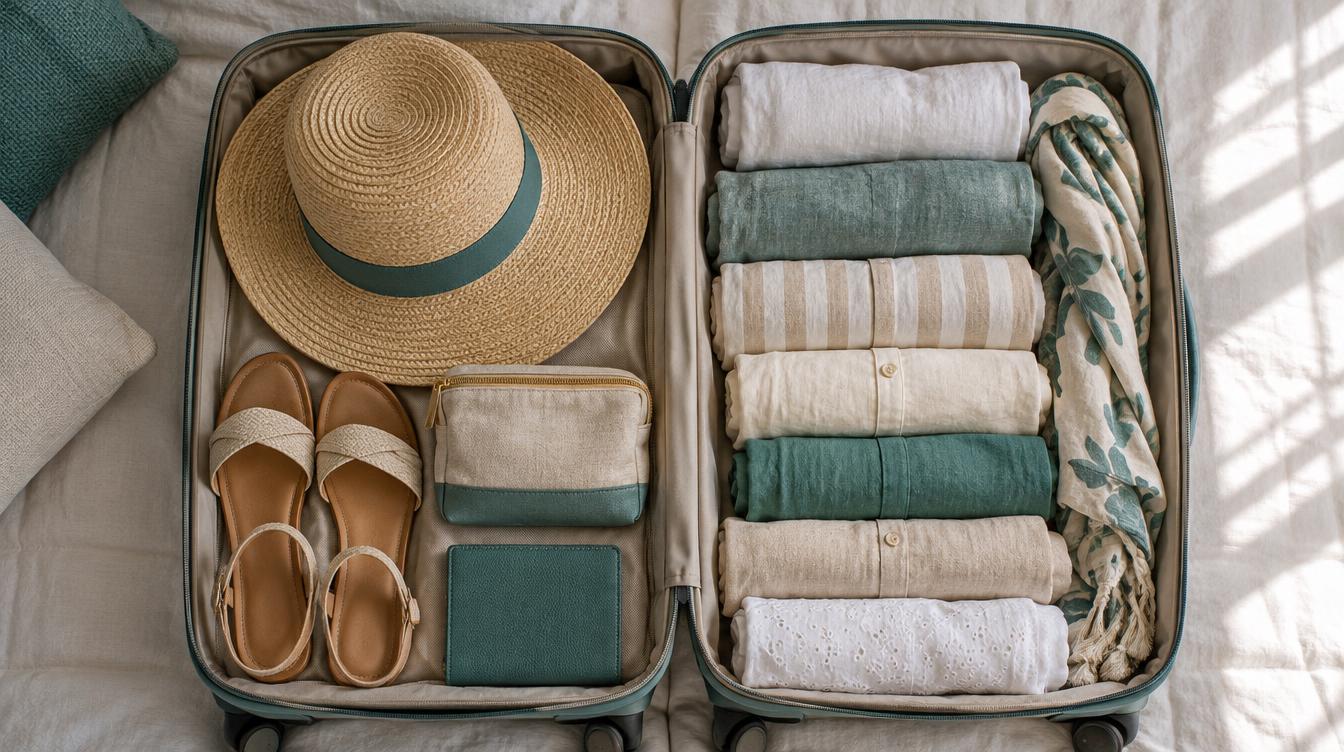
- Keep documents, medication, swimwear and a change of clothes in your carry-on. Checked bags can take hours to reach the cabin.
- Most evenings are smart casual. One or two dressier outfits cover formal nights, which are optional on most lines.
- Ships ban some household items, including irons and most surge-protected power strips. Check your line's list.
There is a moment on every first cruise, usually within an hour of boarding, when the suitcase meets the cabin. The cabin is smaller than expected. The suitcase is not.
Packing for a cruise is different from packing for a hotel. Storage is limited, some ordinary items are not allowed, and for the first afternoon you may not have your luggage at all.
Start with the carry-on
When you arrive at the terminal, porters take your large bags and deliver them to your cabin later. That can mean mid-afternoon or early evening.
Anything you want before then should travel with you in a day bag.
- Passports or other travel documents, and printed boarding passes.
- Medication, in original packaging.
- Phone, chargers and any valuables.
- Swimwear, sunscreen and sunglasses, so you can use the pool straight away.
- A change of clothes for dinner, in case bags are late.
Documents
Check the entry requirements for every country on the itinerary, and for your own citizenship, well in advance. Rules differ by route and change from time to time.
A passport valid for at least six months beyond your return date is the safest standard. Keep a photo of the main page on your phone and a paper copy in a separate bag.
Daytime clothes
Days on board and ashore are casual. Shorts, T-shirts, sundresses and swimwear cover almost everything. Pack a light cover-up, since most ships ask guests not to wear swimwear in indoor restaurants.
Air conditioning on ships is enthusiastic. A light jumper or wrap is useful in theatres and dining rooms, even in the tropics.
Evenings
Most cruise lines describe their evening dress code as smart casual: trousers or a skirt, a collared shirt or blouse. On a seven-night sailing there are usually one or two dressier nights.
How formal those are depends on the line. On most mainstream ships, a dress or a jacket without a tie is entirely acceptable, and nobody is turned away for underdressing in the casual venues.
| Occasion | What works | How many for 7 nights |
|---|---|---|
| Pool and sea days | Swimwear, cover-up, sandals | 2 to 3 swimsuits |
| Port days | Shorts or light trousers, T-shirts, walking shoes | 4 to 5 outfits, mixed and matched |
| Casual evenings | Smart trousers or skirt, shirt or blouse | 3 to 4 |
| Dressier nights | Dress, or jacket and smart trousers | 1 to 2 |
Pack for the trip you are taking, not the one in the brochure. Almost nobody wears the third pair of heels.
Shoes
Three pairs cover most cruises: comfortable walking shoes for ports, sandals or flip-flops for the pool, and one smarter pair for evenings.
If your excursions include water activities or rocky beaches, add water shoes. They are light and save a great deal of discomfort.
What ships do not allow
Every cruise line publishes a list of prohibited items. They are broadly similar, and a few catch first-timers out.
- Clothes irons and steamers, because of the fire risk.
- Candles and anything with an open flame.
- Extension leads and power strips with surge protection.
- Kettles, hot plates and similar heating appliances.
- Alcohol beyond the line's stated allowance.
Rules on drinks, drones and power adapters vary by line. Read the list for your specific ship before you pack.
Small things that make a big difference
Cabin walls are usually metal, so magnetic hooks give you instant extra hanging space for hats, bags and damp swimwear.
Outlets are scarce. A small multi-port USB charger without surge protection is generally permitted and very useful, though it is worth confirming with your line.
- A refillable water bottle for port days.
- A lanyard or card holder for your cabin key card.
- A small bag or dry pouch for the beach.
- Travel-size laundry detergent for rinsing things in the sink.
- A highlighter for the daily schedule, if you like paper.
Health and comfort
Bring any regular medication for the whole trip plus a few extra days, along with a basic kit: pain relief, plasters, antihistamines and remedies for an upset stomach.
If you are prone to motion sickness, speak to a pharmacist or doctor before you travel about what is suitable for you. The ship's shop will stock some remedies, at ship's prices.
Sunscreen is expensive on board and in ports. Bring more than you think you need, and consider a reef-safe formula, which some destinations require.
For cooler itineraries
Alaska, northern Europe and shoulder-season sailings need layers rather than bulk. A waterproof jacket, a warm mid-layer and a hat pack small and cover a wide range of weather.
Add binoculars for scenic cruising. They weigh little and change what you see from the deck.
What to leave at home
Beach towels are provided on almost every ship. Hairdryers are in most cabins. Formal wear you would not wear at home rarely gets worn at sea.
Books are heavy. Many ships have a small library, and an e-reader holds a holiday's worth of reading.
Laundry
Most ships offer a laundry service, charged per item or per bag, and some have self-service launderettes. Knowing that lets you pack for five days on a seven-night trip.
On longer voyages, a mid-cruise laundry day is the difference between one suitcase and two.
The night before you leave the ship
On the final evening, you can usually leave your large bags outside the cabin door for collection. Keep back what you need for the morning, including clothes, shoes and medication.
It is a surprisingly common mistake to pack everything and wake up with nothing to wear.
The short list
Documents, medication, swimwear and a change of clothes in the carry-on. One suitcase of mix-and-match clothes. Three pairs of shoes. A few magnetic hooks.
Pack that, and you will have everything you need and room to bring something home.
Frequently asked questions
What should I pack in my carry-on for embarkation day?
Travel documents, boarding passes, medication, valuables, phone chargers, sunscreen, swimwear and a change of clothes. Checked luggage is delivered to cabins during the afternoon and evening, so anything you need in the first few hours should stay with you.
Do I need formal clothes for a cruise?
On most mainstream lines, formal nights are optional and the dress code is interpreted loosely. A dress or smart trousers with a collared shirt is usually enough for the main dining room. Buffet and casual venues stay open for those who prefer not to dress up.
Do I need a passport for a cruise?
It depends on your citizenship and itinerary. Requirements vary, and some closed-loop sailings accept other documents for certain travellers, but a passport is the safest choice because it allows you to fly home from a foreign port in an emergency. Always confirm requirements with your cruise line and the relevant government sources before travel.