Twelve First-Cruise Mistakes, and How to Avoid Each One
Most cruise mishaps are small, predictable and easy to prevent. Here are the dozen that catch first-timers most often.

- Arrive in the departure city the day before. A delayed flight is the most common way to miss a ship.
- The ship keeps its own time and will not wait. Be back on board well before the stated deadline.
- Budget for extras. The fare rarely includes gratuities, most drinks, speciality dining or excursions.
A cruise is one of the easiest holidays to take. You unpack once, meals appear, and the scenery changes while you sleep. It is also a holiday with its own customs, and nobody hands you the rulebook.
The mistakes first-timers make are remarkably consistent. None is serious. All are easier to avoid than to fix.
1. Flying in on the day of departure
Ships leave on time, with or without you. A delayed flight, a missed connection or lost luggage can turn the first day into a scramble.
Arrive the day before and stay near the port. The cost of one hotel night is small beside the cost of missing the ship.
2. Skipping online check-in
Most lines ask you to check in online before you travel: passport details, a photo, a payment card and an arrival time slot.
Doing it early gets you a better boarding time and a faster walk through the terminal. Leaving it until the pier means queues.
3. Choosing a cabin by price alone
The cheapest cabin in a category is sometimes cheap for a reason. It may sit under the pool deck, above a late-night venue or at the very front of the ship.
Look at the deck plan before you book. Our cabin guide explains what to check.
4. Forgetting the extras
The fare covers your cabin, most meals and entertainment. It usually does not cover gratuities, most drinks, speciality restaurants, Wi-Fi or excursions.
| Often included | Often extra |
|---|---|
| Cabin and housekeeping | Daily gratuities |
| Main dining room and buffet | Speciality restaurants |
| Water, basic coffee and tea | Alcohol, soft drinks, speciality coffee |
| Shows and most activities | Shore excursions |
| Pools and gym | Spa, Wi-Fi, photos |
Set a daily budget for extras before you sail. It is much easier than reading the final bill with surprise.
The fare gets you on the ship. The extras decide what the holiday costs.
5. Overpacking
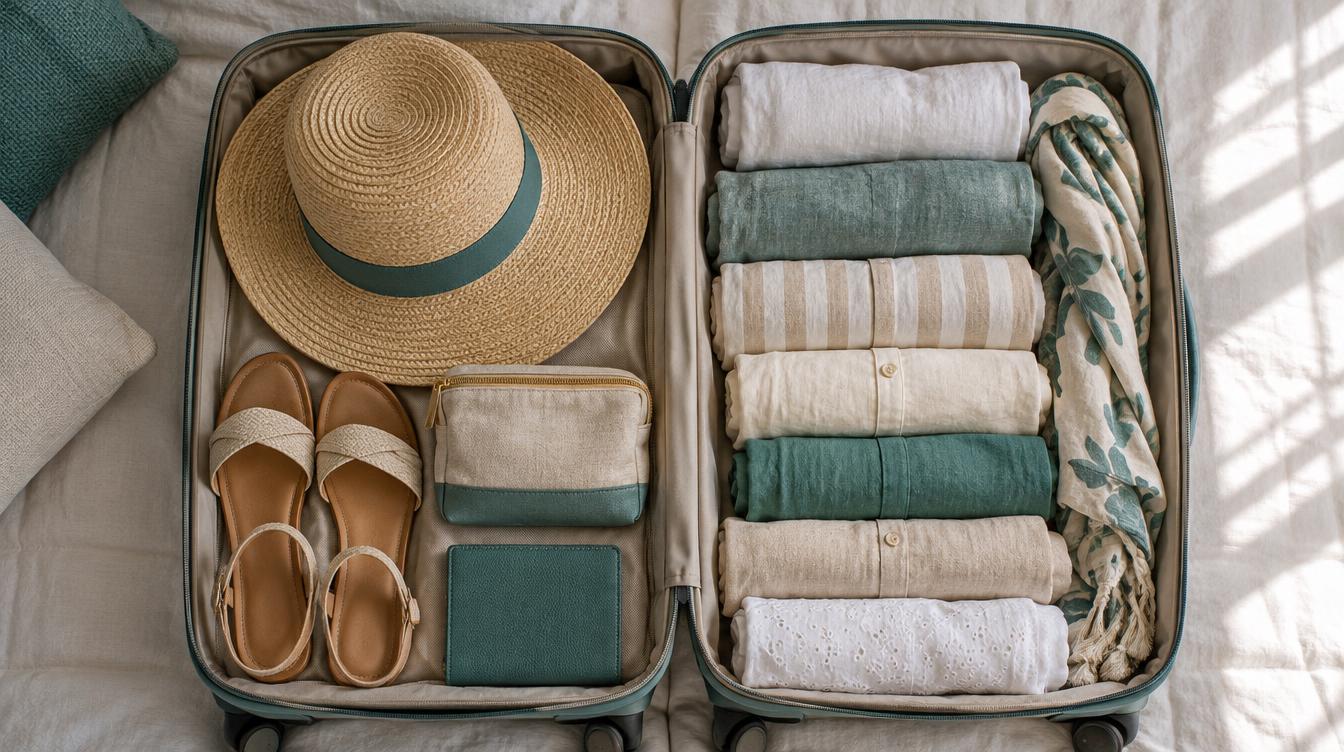
Cabins are compact and you will wear less than you think. One suitcase per person is ample for a week.
Our packing list covers what to bring and what ships do not allow.
6. Treating the safety drill as optional
Every passenger must complete a safety briefing before the ship sails. On many ships it is now partly done on your phone or cabin television, followed by a brief visit to your assembly point.
It is mandatory and it is short. Do it as soon as you board and it is out of the way.
7. Confusing ship time with local time
The ship keeps its own clock, which does not always match the time ashore. The all-aboard deadline is given in ship time.
Set a watch to ship time and leave it there. Phones can switch automatically to local time and catch you out.
8. Cutting it fine in port
Plan to be back at the ship at least an hour before the all-aboard time. Traffic, queues for tenders and slow restaurant bills all happen.
If you book excursions independently, choose operators with a clear promise to return you on time, and leave a generous margin.
9. Booking every port
It is tempting to fill each day with a tour. By the fourth port, many travellers are exhausted.
Leave at least one port day unplanned. Wandering a town at your own pace, or staying on a nearly empty ship, is often a highlight.
10. Leaving reservations until you board
Popular speciality restaurants, shows and spa times can fill up before the ship sails. Most lines open reservations weeks in advance through their website or app.
Book the one or two things that matter most to you early, and leave the rest open.
11. Using your phone as you would at home
At sea, phones can connect to the ship's own cellular network, which is billed as international roaming at high rates.
- Switch to airplane mode as you leave port.
- Use the ship's Wi-Fi package if you need to be connected.
- Download maps, books and shows before you travel.
12. Booking an early flight home
Ships dock early on the final morning, but getting thousands of people and their luggage ashore takes hours. Customs and traffic add more.
Book a flight for midday or later. An early flight turns the last morning into a race.
A few gentler suggestions
Explore the ship on the first afternoon, while others are still unpacking. You will find the quiet corners that stay quiet all week.
Try the main dining room at least once. It is included in your fare, and on most ships the food is better than the buffet.
And carry a little cash in small notes for tips and taxis ashore.
The pattern behind the list
Nearly every item above comes down to two habits: allow more time than you think you need, and read the details before you pay.
Do those two things, and a first cruise is as relaxing as the brochure promised.
Frequently asked questions
What happens if I miss the ship in a port?
The ship will normally sail without you. You become responsible for getting yourself to the next port or home, at your own cost. Guests on excursions booked through the cruise line are generally waited for or assisted if the tour runs late, which is one reason some travellers prefer them.
What is not included in a cruise fare?
It varies by line, but commonly excluded items are gratuities, alcoholic and speciality drinks, speciality restaurants, shore excursions, Wi-Fi, spa treatments and photos. Some lines offer fares that bundle several of these, so compare what each fare includes.
How early should I arrive at the cruise terminal?
Arrive during the boarding window assigned at online check-in. Boarding typically closes 60 to 90 minutes before departure, and arriving in the departure city the day before removes most of the risk of missing it.