Seasickness on a Cruise: What Helps, and What to Sort Out Before You Sail
Cabin position, the horizon and a conversation with your doctor do most of the work. The CDC names three medicines and warns that many cause drowsiness.

AI-assisted article, reviewed and edited by the Voyage Current editorial team. Images are AI-generated. How we work.
- The CDC says anyone can get motion sickness, and that children and pregnant women are especially vulnerable.
- On a ship, choose a central cabin. Looking at the horizon or closing your eyes can help.
- Medicines the CDC names are diphenhydramine, dimenhydrinate and scopolamine. Many cause sleepiness, so talk to your doctor first.
Fear of being seasick keeps more people off cruise ships than the price does. It is a reasonable fear. It is also one of the more manageable travel problems, provided you deal with it before the ship leaves.
Here is what the Centers for Disease Control and Prevention recommends, with some practical detail on choosing a ship and a cabin.
Who gets it
Anyone can. The CDC notes that children and pregnant women are especially vulnerable.
If you get carsick as a passenger or feel ill reading on a train, assume you are susceptible and plan for it. If you never have, you may still be caught out by a rough night.
Why it happens
Your inner ear feels the ship moving while your eyes, looking at a cabin wall, report that everything is still. The disagreement is what makes you feel sick.
Most of the advice below is a way of getting those two signals to agree again.
Pick the cabin for it
For cruise ships, the CDC's advice is to choose a central cabin.
A ship pivots around its middle, a little like a seesaw. The bow and stern travel furthest up and down, and high decks sway more than low ones. So midship and low is the steadiest spot on board.
| Cabin position | Motion you will feel |
|---|---|
| Midship, low deck | Least |
| Midship, high deck | More side-to-side sway |
| Forward | Most up and down in a head sea |
| Aft | Up and down, plus some vibration |
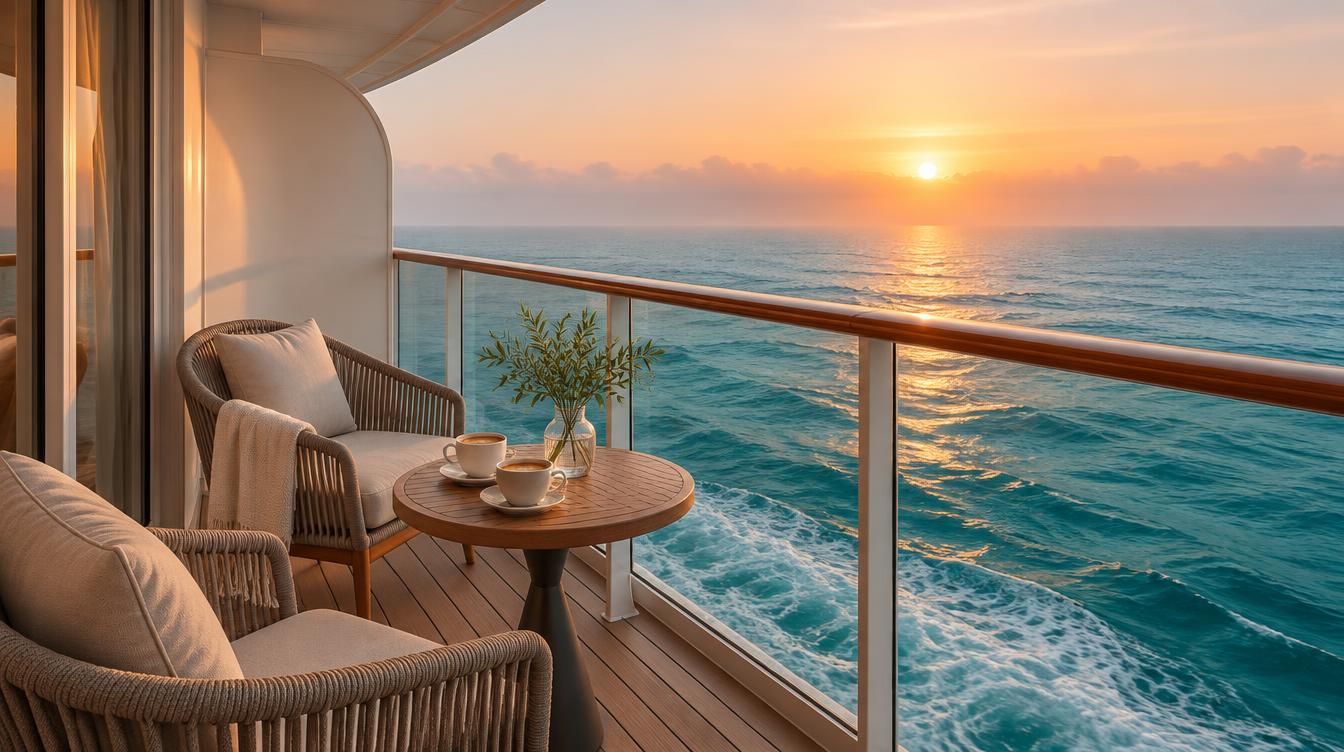
A window or balcony helps too, because you can see the horizon without leaving the cabin. Our cabin guide goes through the deck plan in more detail.
Pick the trip for it
This part is my advice and not the CDC's. Ship size and route matter a great deal.
Large modern ships have stabilisers and move less in ordinary weather. Sheltered routes, such as the Inside Passage or the Norwegian fjords, are calm for long stretches. Open ocean crossings are where the rough days are.
If you are very worried, a river cruise has almost no motion at all. Our river cruise guide explains what else is different about them.
What to do when it starts
The CDC's suggestions are simple.
- Look at the horizon, or close your eyes
- Give your other senses something to do. Music, conversation and fresh air all count
- Try ginger candy or other flavoured lozenges
- Try mint or lavender scents
It describes the last two only as things that may help, which is about right. They are cheap and harmless.
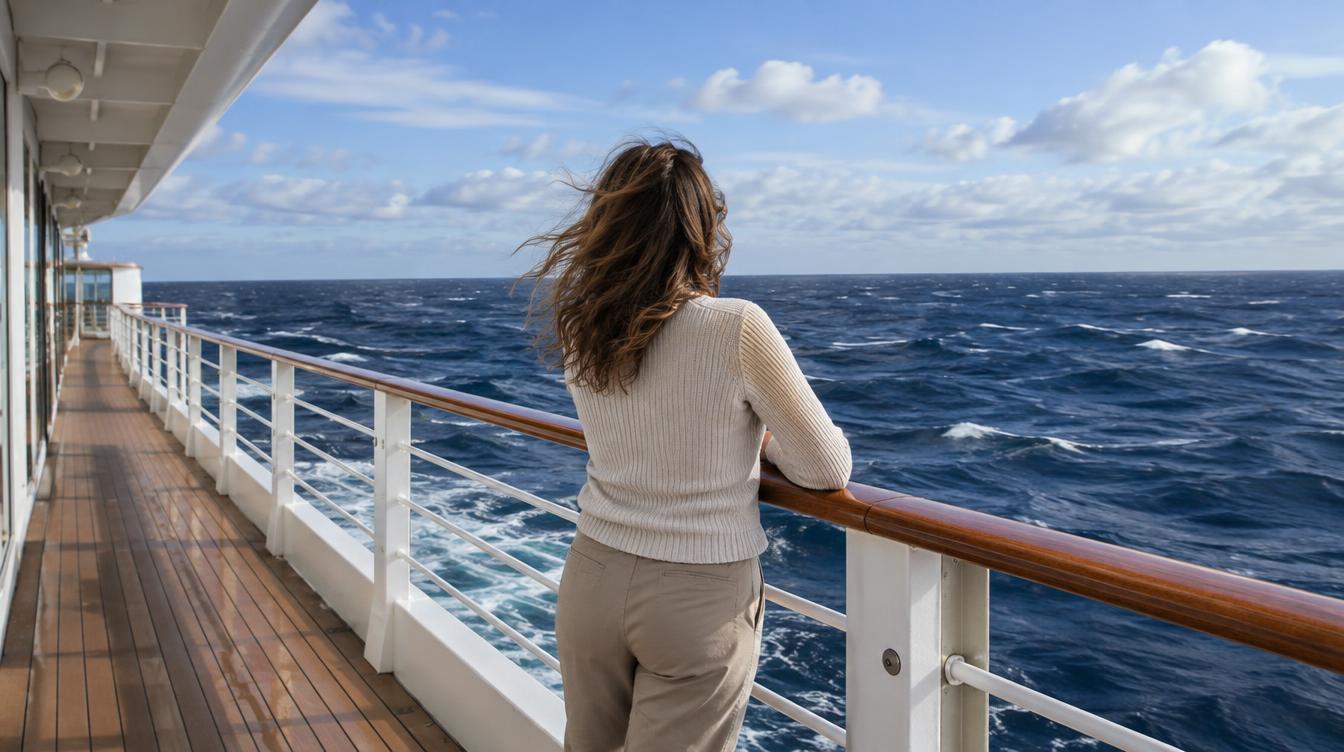
Going out on deck works for many people because it does two of these at once: fresh air, and a clear view of the horizon. Lying in a dark inside cabin tends to make things worse.
Medicines
The CDC names three: diphenhydramine, sold as Benadryl, dimenhydrinate, sold as Dramamine, and scopolamine, which is commonly prescribed as a patch.
It adds that many of these medicines can make you sleepy, and that you should talk to your doctor about what is best for you. That conversation matters more than it sounds, for two reasons.
First, scopolamine needs a prescription, and these medicines are not suitable for everyone. Second, the CDC's cruise advice points out that some common drugs can make seasickness worse, including certain antidepressants, painkillers and birth control pills. Only someone who knows your prescriptions can spot that.
Bring whatever you settle on with you. The ship's shop will have something, at a price, and possibly not the one you were advised to take.
Before you sail
The CDC suggests seeing a doctor or travel clinic four to six weeks before any cruise. Raise seasickness at the same visit. Our guide to staying healthy on a cruise lists what else to ask.
If it does not pass
For most people the worst is over within a day or two as the body adjusts. If you cannot keep fluids down, go to the ship's medical centre. Dehydration is the real risk, and they treat seasickness every week.
Midship and low. The CDC advises a central cabin, and lower decks sway less than higher ones.
Frequently asked questions
Where is the best cabin to avoid seasickness?
The CDC's advice for cruise ships is to choose a central cabin. The middle of a ship moves less than the bow or stern, and lower decks move less than higher ones.
What medicine helps with seasickness?
The CDC names diphenhydramine, dimenhydrinate and scopolamine, notes that many motion sickness medicines can make you sleepy, and advises talking to your doctor about what is best for you.
Can other medicines make seasickness worse?
Yes. The CDC's cruise travel advice notes that some common drugs, including certain antidepressants, painkillers and birth control pills, can make seasickness worse. Ask your doctor before you travel.