
Cruises
River Cruises Explained: What a Week on the Danube Is Really Like
Smaller ships, constant scenery and a town at the end of every gangway. What first-time river cruisers should expect, and what tends to surprise them.
Search
river cruise deals
Smaller ships, constant scenery and a town at the end of every gangway. What first-time river cruisers should expect, and what tends to surprise them.
Cabin position, the horizon and a conversation with your doctor do most of the work. The CDC names three medicines and warns that many cause drowsiness.
The cabin is the one part of a cruise you cannot change once you sail. Here is how to pick the right type and the right spot on the ship.
Stomach bugs and respiratory viruses spread easily on ships. The CDC's guidance comes down to soap, timing and a small bag of supplies.
Some cruises from US ports can be taken without a passport book. The State Department's advice is to bring one anyway, for two specific reasons.
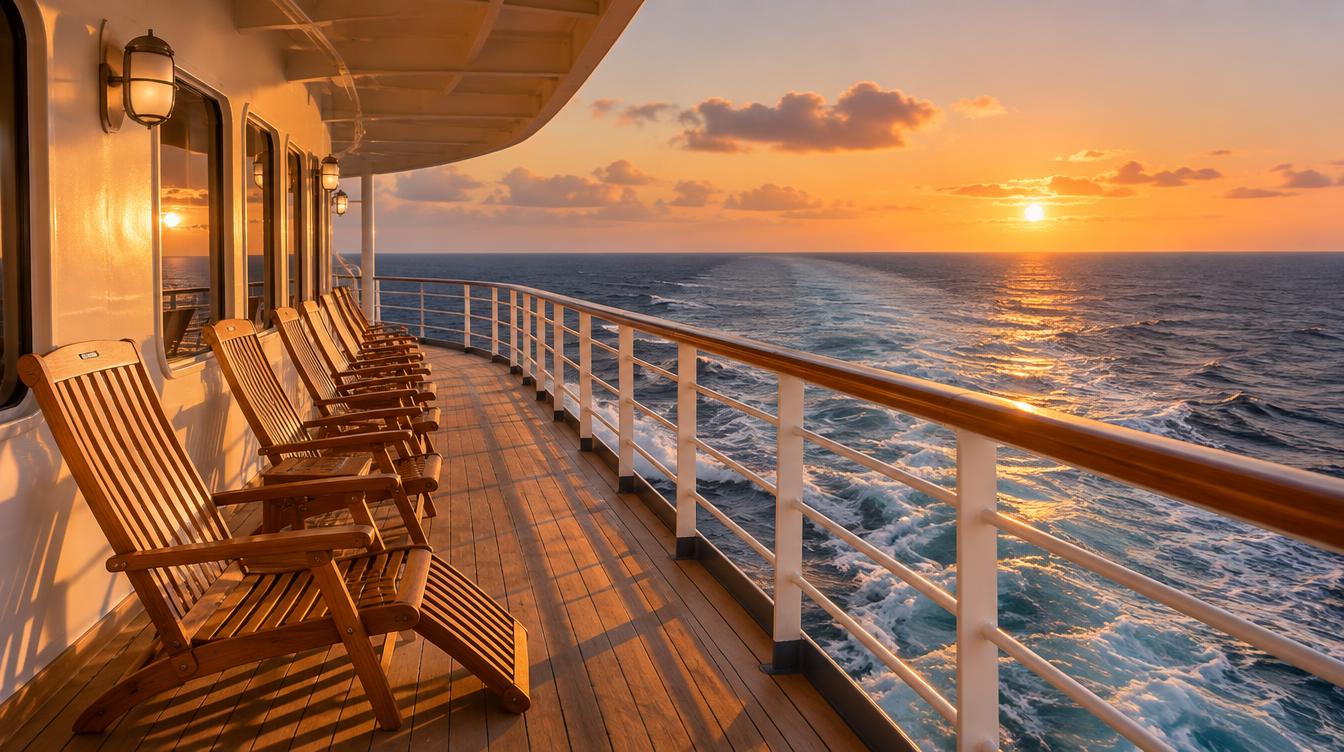
Most cruise mishaps are small, predictable and easy to prevent. Here are the dozen that catch first-timers most often.
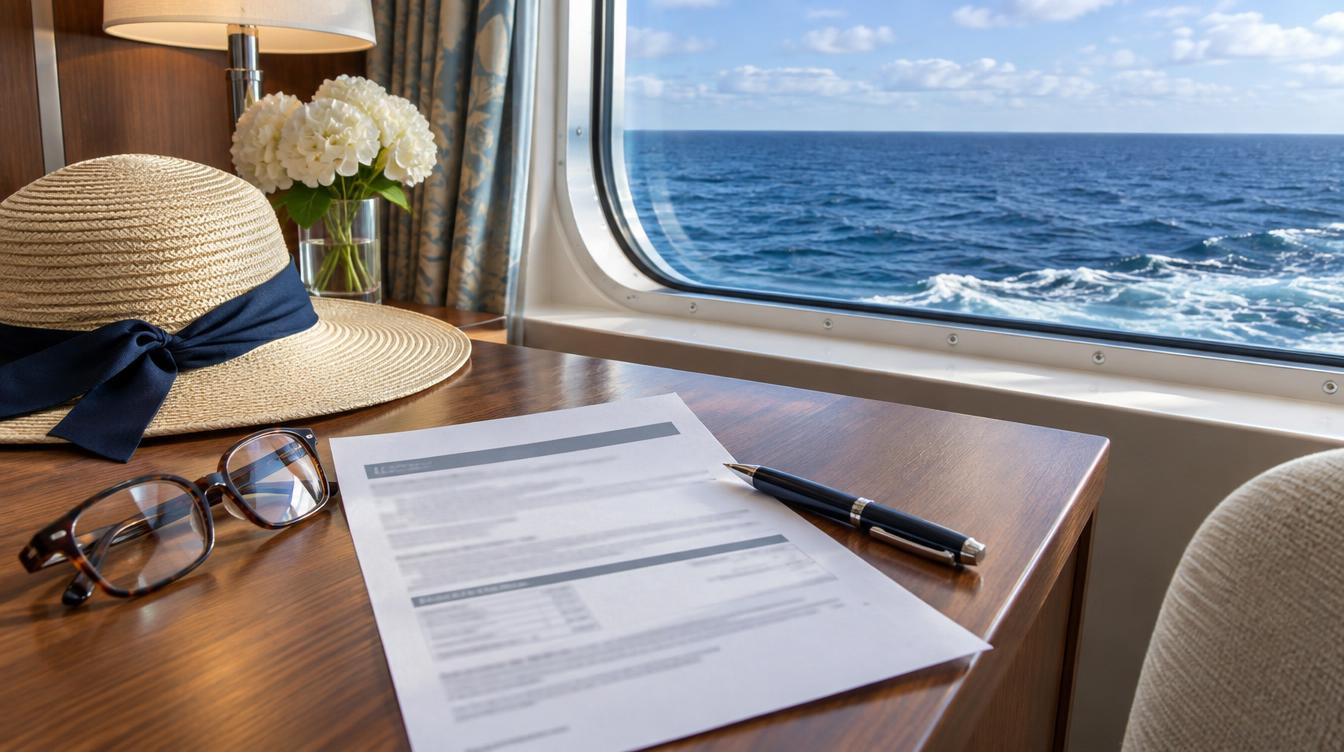
Trip cancellation, travel health and medical evacuation are separate things. The CDC warns that an evacuation alone can cost more than 100,000 dollars.
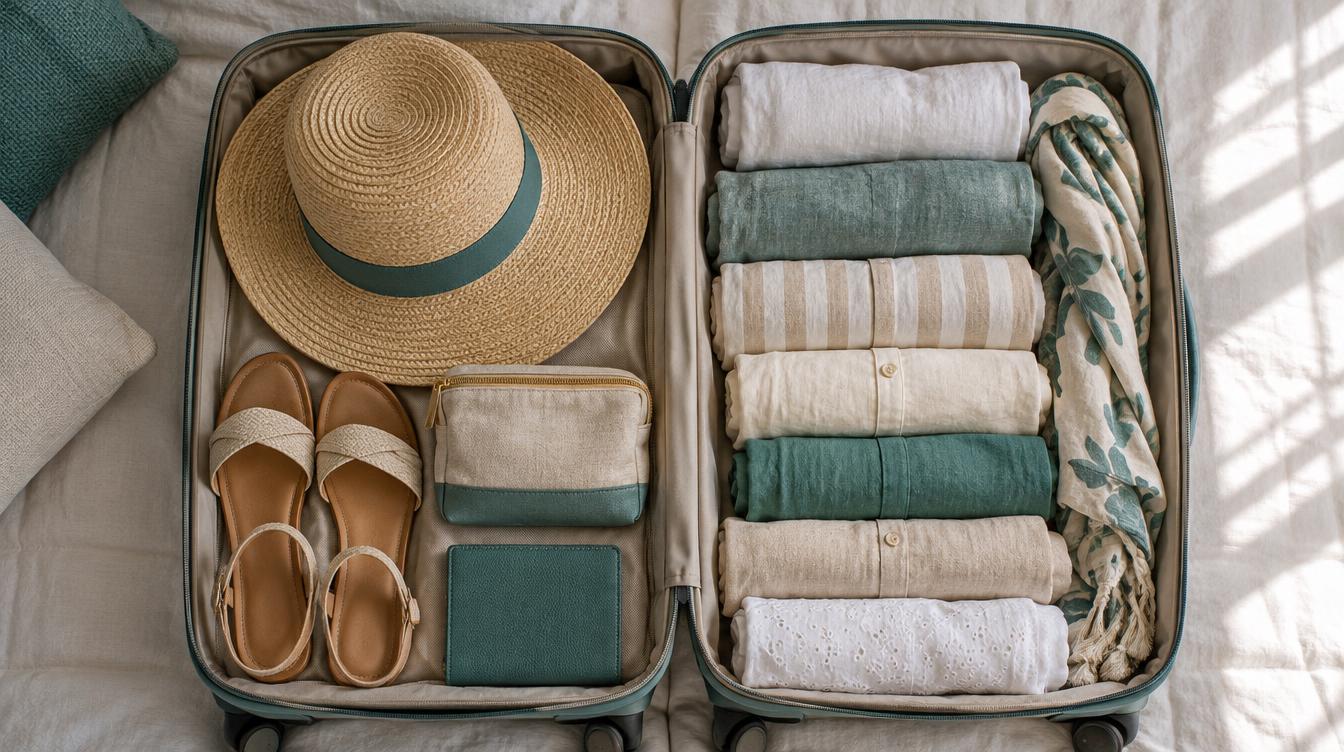
Cruise cabins are small and dress codes are gentler than they used to be. A practical list of what to bring, what to leave and what ships do not allow.
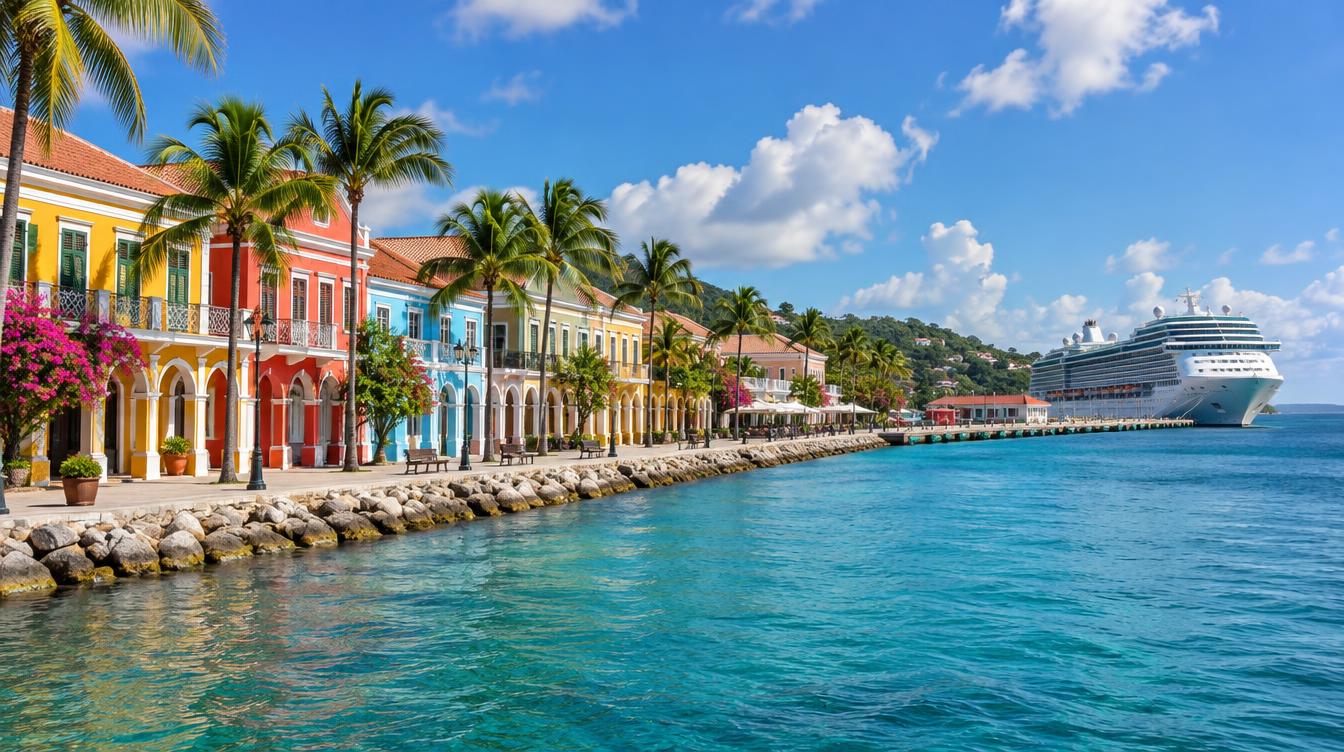
Three routes share one sea and deliver three different holidays. A plain comparison of ports, pace and season to help you pick.
Cruises are priced for two, which makes travelling alone expensive. Here is how the single supplement works, how to avoid it and why a ship is one of the easiest places to travel solo.
The Alaska season lasts barely five months, and each one offers a different trip. A short guide to matching the calendar to what you want to see.
Days in port are why most people cruise, and there are three ways to spend them. How to choose, what each costs and how never to miss the ship.