Planning
Staying Healthy on a Cruise: The CDC's Advice in Plain Terms
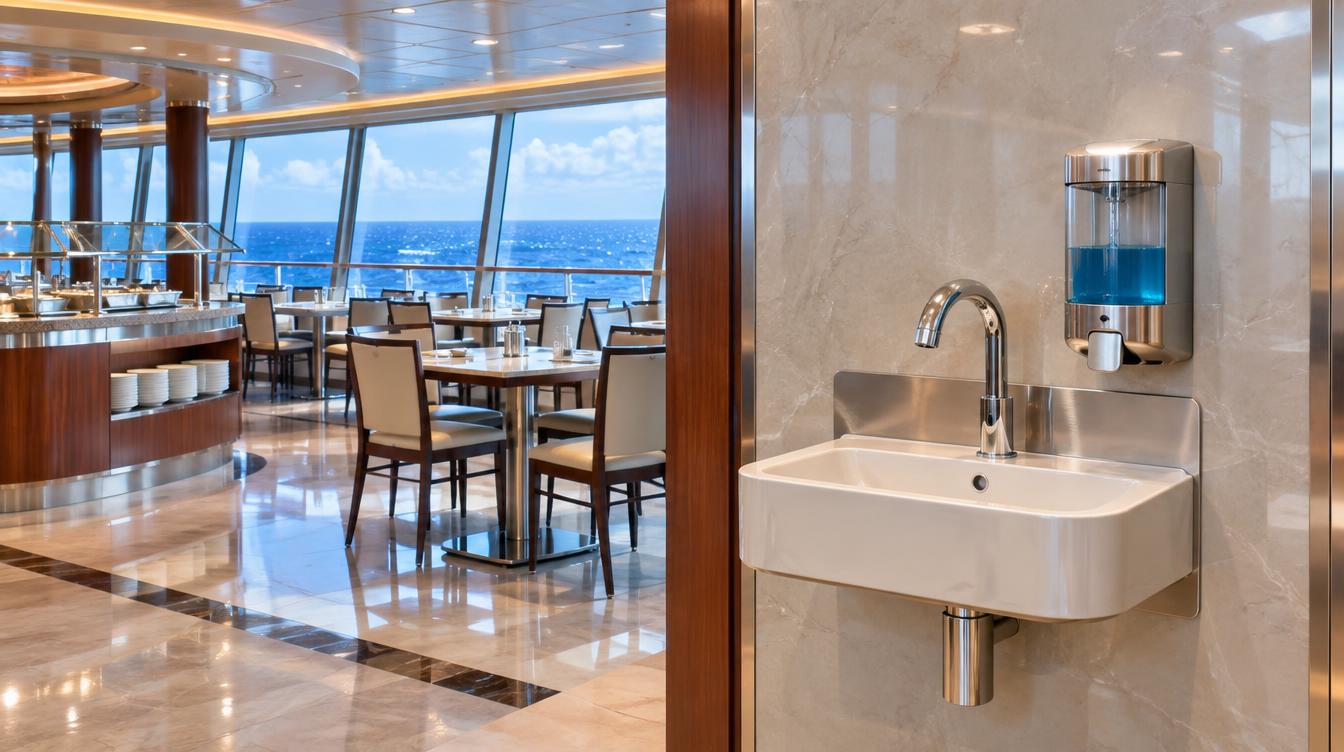
Stomach bugs and respiratory viruses spread easily on ships. The CDC's guidance comes down to soap, timing and a small bag of supplies.
Search
travel health clinic near me
Stomach bugs and respiratory viruses spread easily on ships. The CDC's guidance comes down to soap, timing and a small bag of supplies.
Trip cancellation, travel health and medical evacuation are separate things. The CDC warns that an evacuation alone can cost more than 100,000 dollars.
Cabin position, the horizon and a conversation with your doctor do most of the work. The CDC names three medicines and warns that many cause drowsiness.

Some cruises from US ports can be taken without a passport book. The State Department's advice is to bring one anyway, for two specific reasons.
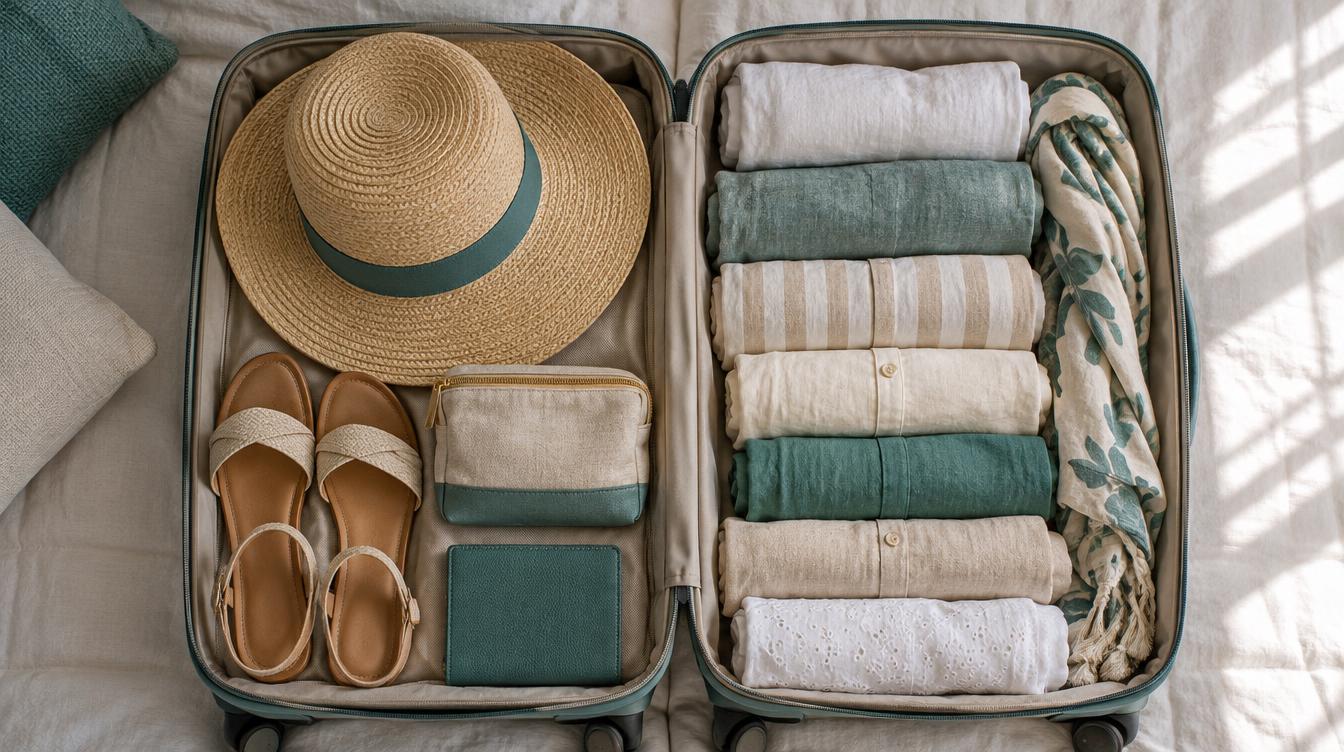
Cruise cabins are small and dress codes are gentler than they used to be. A practical list of what to bring, what to leave and what ships do not allow.

Days in port are why most people cruise, and there are three ways to spend them. How to choose, what each costs and how never to miss the ship.

Three routes share one sea and deliver three different holidays. A plain comparison of ports, pace and season to help you pick.

The cabin is the one part of a cruise you cannot change once you sail. Here is how to pick the right type and the right spot on the ship.

Cruises are priced for two, which makes travelling alone expensive. Here is how the single supplement works, how to avoid it and why a ship is one of the easiest places to travel solo.

Most cruise mishaps are small, predictable and easy to prevent. Here are the dozen that catch first-timers most often.

Smaller ships, constant scenery and a town at the end of every gangway. What first-time river cruisers should expect, and what tends to surprise them.

A Mediterranean cruise packs half a dozen countries into a week. Choosing between the two halves of the sea, and the right month, makes all the difference.